
Oily & Combination Skin - Barrier Repair
Oily and combination skin often experience excess shine, enlarged pores, congestion, blackheads, and frequent breakouts. Oily skin is one of the most misunderstood skin types in skincare as the instinct is to strip the skin of oil, but excess sebum production is not the root problem. It is the skin's response to a compromised barrier that has lost its structural lipids and can no longer regulate itself. The more aggressively oily skin is treated with stripping cleansers, toners, and mattifying products, the more sebum the skin produces to compensate, locking people into a cycle that worsens over time.
Oleum Cottage's oily skin collection is built around our Barrier Lipid Complex™, which works at a structural level to help oily skin rebuild its ceramide production. When the barrier is structurally sound, sebum production normalises, pores appear less congested, and skin finds its own balance without needing constant intervention.
This is not about drying your skin out. It is about helping it regulate itself. All our formulations are developed by certified cosmetic chemists and are derm-aligned for safe, long-term daily use.
✅ What Makes Our Oily Skin Care Different?
Most products for oily skin are designed to absorb or suppress oil. Clay masks, astringent toners, and foaming cleansers all reduce surface shine temporarily, but they signal to a barrier-compromised skin that it needs to produce even more sebum to protect itself. Over time, this approach makes oily skin oilier, more congested, and more reactive.
Our formulations take the opposite approach. By delivering Barrier Lipid Complex™ to support ceramide synthesis from within, we give the skin the structural lipids it is trying to compensate for through excess sebum. Over consistent use, the skin's own regulation improves and sebum production normalises without stripping or suppression.
-
Lightweight, non-comedogenic, and fragrance-free
-
Targets the barrier dysfunction driving excess sebum, not just surface oil
-
Suitable for oily skin, combination skin, enlarged pores, and congestion
-
Safe to use alongside actives like niacinamide, salicylic acid, and retinol
-
Helps reduce the frequency of breakouts associated with oily skin
-
Derm-aligned and developed by certified cosmetic chemists
✅ Common Oily Skin Concerns We Formulate For
Excess shine and sebum overproduction
Persistent shine, particularly across the T-zone, is the most common oily skin concern. It is driven by a barrier that is overproducing sebum as a compensatory response to lipid depletion. Unlike mattifying products that suppress oil temporarily, barrier repair addresses the underlying reason the skin feels it needs to produce so much of it.
Enlarged and congested pores
Enlarged pores are one of the most common skincare concerns overall. Pores appear larger when they are congested with excess sebum and dead skin cells, which happens more frequently on barrier-compromised oily skin. As the barrier strengthens and sebum production normalises, pores progressively appear less visible and less congested.
Oily skin with dehydration
Oily and dehydrated skin is far more common than most people realise. When the barrier is compromised, the skin can simultaneously overproduce oil and lose water rapidly, leading to a combination of shine and tightness that confuses many people into avoiding moisturisers altogether. This avoidance worsens both the oiliness and the dehydration. Barrier repair addresses both simultaneously.
Blackheads and whiteheads
Blackheads and whiteheads are a direct result of excess sebum mixing with dead skin cells and clogging pores. On barrier-compromised oily skin, this process is accelerated. Barrier repair reduces the sebum excess at its source, progressively reducing the frequency and severity of congestion. Barrier repair also supports a healthier skin environment, helping maintain the balance of the skin's natural microbiome. If excess oil is accompanied by frequent breakouts, explore our Acne Assistive Care collection.
Oily skin that worsens with stress or hormonal changes
Stress and hormonal fluctuations both increase sebum production directly. On skin with a compromised barrier, these fluctuations increase sebum production significantly because the skin's baseline regulation is already impaired. Barrier repair reduces the skin's vulnerability to these triggers over consistent use.
Oily skin in humid climates
Humid and hot climates, like much of India, increases transepidermal water loss in barrier-compromised skin and stimulates excess sebum production. People living in humid climates often struggle with persistent oiliness, greasiness and sweat that worsens through the day. A structurally stronger barrier is better equipped to manage humidity-related sebum fluctuations.
Oily skin that feels sensitive
Some people experience oily skin that also stings, becomes red easily, or reacts to new skincare products. This often happens when the skin barrier is weakened. Rather than trying to remove more oil, supporting the barrier helps improve skin comfort while allowing oily skin to regulate itself more effectively. If oily skin also feels irritated or reactive, check out our Sensitive Skin Assistive Care range.
✅ Frequently Asked Questions
Q1. Should oily skin use a moisturiser?
Yes, and this is one of the most important things to understand about oily skin. Skipping moisturiser signals to an already barrier-compromised skin that it needs to produce more sebum. A lightweight, non-comedogenic moisturiser that supports barrier repair actually helps normalise sebum production over time rather than increasing it.
Q2. Why is my nose oily but my cheeks are dry? Why is my skin oily in some areas and dry in others?
This is one of the most common signs of combination skin. Different parts of the face produce different amounts of sebum, and a weakened barrier can make this imbalance more noticeable. Areas that are oily are overcompensating for lipid loss while areas that are dry are too depleted to compensate at all. Barrier repair across the whole face progressively evens out this imbalance as ceramide production is restored.
Q3. Can oily skin age faster?
Oily skin actually tends to show fine lines and wrinkles later than dry skin because sebum provides a degree of natural lubrication. However, chronically oily and barrier-compromised skin is more prone to post-inflammatory hyperpigmentation, enlarged pores, and a dull, congested complexion that can make skin look older. Barrier repair addresses these concerns alongside sebum regulation.
Q4. Does oily skin need SPF?
Yes. SPF is non-negotiable for all skin types, including oily skin. Sun exposure is one of the leading drivers of barrier depletion and accelerated sebum dysregulation. Mineral SPFs tend to feel lighter on oily skin and are generally better tolerated on barrier-compromised skin.
Q5. Why does my skin get oilier in summer?
Heat and humidity increase both transepidermal water loss and sebum production. On barrier-compromised skin, this seasonal shift is more pronounced because the skin's not able to balance oil production. Consistent barrier repair reduces this seasonal fluctuation over time.
Q6. Can the wrong cleanser make oily skin worse?
Yes. Harsh foaming cleansers and alcohol-based toners strip the barrier of its remaining lipids, triggering a rebound sebum response that leaves skin oilier than before cleansing. A gentle, pH-balanced cleanser that does not disrupt the barrier is essential for oily skin, paired with barrier repair to address the underlying structural deficiency.
Q7. How long does it take to see improvement in oily skin?
Most people notice a reduction in midday shine and improved skin comfort within four to six weeks of consistent use. More significant normalisation of sebum production and reduction in congestion typically takes three months. Oily skin that has been stripped repeatedly may take longer to recalibrate, but improvement is consistent with continued barrier support.
Q8. Is this suitable for teenage oily skin?
Yes. Teenage oily skin is driven by hormonal surges that increase sebum production on a barrier that is still maturing. Our formulations are lightweight, non-comedogenic, steroid-free, and fragrance-free, making them safe and effective for teenage oily skin without contributing to congestion or breakouts.
Q9. Can oily skin become dry?
Yes. Oily skin can become dehydrated or feel dry after cleansing if the skin barrier is weak. This is why skin can feel both tight and greasy at the same time.


Barrier Repair Face Moisturizer with 2% Ceramide Complex
Regular price
₹. 1,200.00
₹. 749.00
- Unit price
- / per
Regular price
₹. 1,200.00
₹. 749.00
- Unit price
- / per
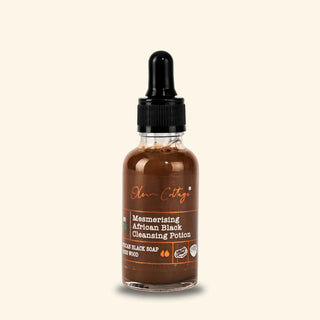
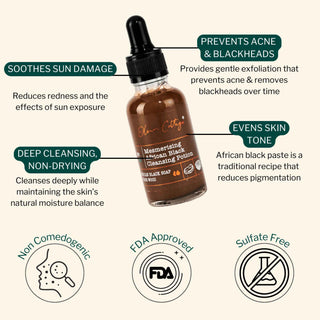
African Black Facewash for Oily, Combination, Dry and Normal Skin (200 washes)
Regular price
₹. 1,200.00
₹. 599.00
- Unit price
- / per
Regular price
₹. 1,200.00
₹. 599.00
- Unit price
- / per
You're viewing 1-2 of 2 products